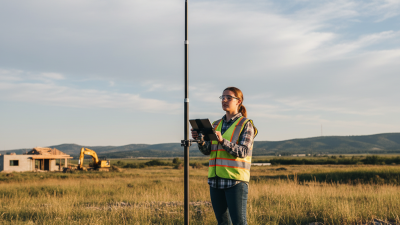
Lately, there's been a real bump in the demand for precise surveying. I came across a 2022 report from MarketsandMarkets that said the Global Gnss market could hit about $22.9 billion by 2026—pretty wild, right? It really shows how much folks are relying on getting accurate data these days. That’s where tools like theCarbon Telescopic Pole GNSS come into play—these things are pretty much essential for surveyors who want to work smarter and more precisely.
Now, compared to the old-school materials, carbon telescopic poles bring some pretty sweet perks. They’re lightweight but strong enough to take a beating, which makes carrying and handling way easier without sacrificing durability. Plus, some studies say using these advanced materials can boost performance by as much as 30%. But with so many options out there, it can get a bit overwhelming—so picking the right one is key.
When you're choosing a Carbon Telescopic Pole Gnss, it’s not just about the price tag. You wanna think about how well it works with your GNSS receiver and whether it can handle tough environments. There are loads of choices, but not all of them meet the high standards the industry demands. So, it really pays to think about your specific needs and the challenges you're facing—getting this right can seriously up your survey game and make things run smoother overall.
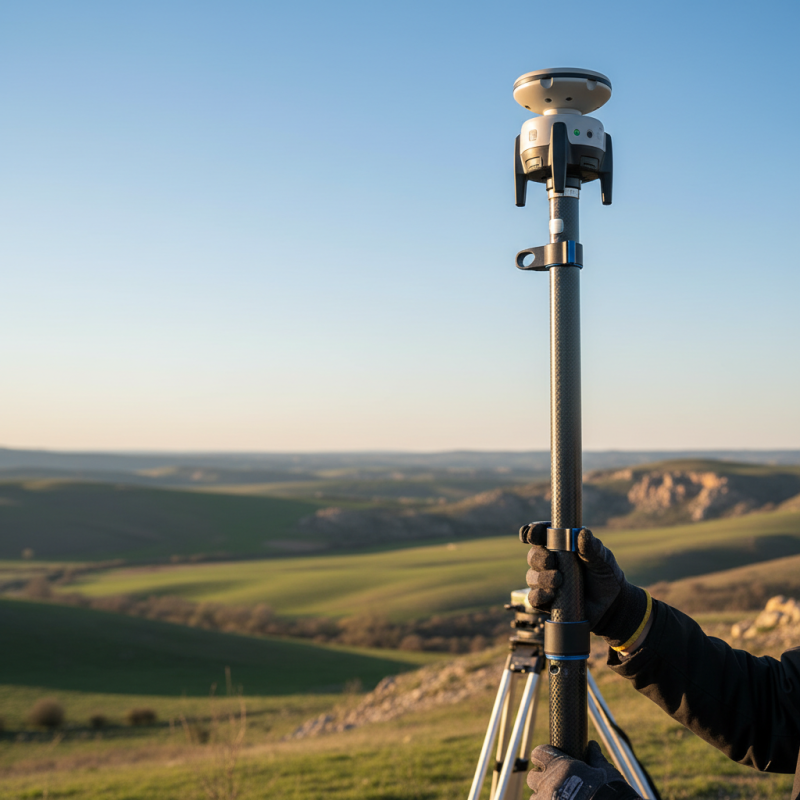
Carbon telescopic poles are essential tools in Gnss Surveys. Their lightweight design allows for easy transportation and setup. According to a recent industry report, carbon poles can reduce fatigue during long survey days, enhancing productivity by up to 20%. These benefits are vital for surveyors working in challenging terrains.
The stability of a Telescopic Rtk Pole is equally important. Stability affects the accuracy of measurements. A study from the International Journal of Geographical Information Science found that rigid poles minimize signal interference. Achieving high precision in GNSS data collection relies on such factors. Transitioning from traditional materials to carbon composites improves performance.
Despite the advantages, some challenges remain. Carbon poles can be more susceptible to accidental damage. Users need to be cautious when handling them in rugged environments. This highlights the importance of proper maintenance. Surveyors must educate themselves on best practices for using and caring for their telescopic RTK poles.
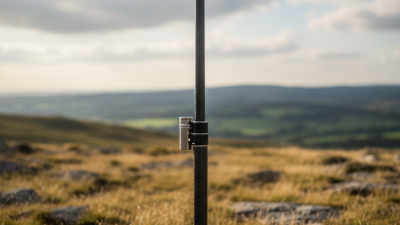
When it comes to surveying, reliable tools are essential. Among these tools, carbon telescopic poles have gained popularity. They are lightweight and durable, making them suitable for various surveying tasks. A recent report noted that lightweight materials like carbon fiber can reduce equipment load by up to 60%. This allows surveyors to maneuver easily in the field.
The best carbon telescopic poles typically feature adjustable heights. Some poles can extend up to 5 meters or more, providing flexibility in different environments. Their corrosion resistance ensures longevity, especially in harsh weather conditions. In fact, studies have shown that carbon poles can last up to 10 years with proper care.
However, not all poles are created equal. Some may compromise strength for weight, leading to issues in stability. It’s crucial to evaluate the pole's specifications before purchasing. The right balance of weight and sturdiness is vital in ensuring accurate measurements. As surveying demands evolve, constant innovation in materials will shape the future of fieldwork.
Telescopic poles made from carbon material are gaining popularity in various surveying applications. The lightweight nature of carbon poles reduces operator fatigue during long surveys. According to a report by the International Society for Photogrammetry and Remote Sensing, carbon material offers a strength-to-weight ratio that is 20% better than aluminum poles, which can significantly enhance maneuverability.
Another advantage lies in their resistance to environmental factors. Carbon telescopic poles do not corrode like metal. They maintain structural integrity even in harsh weather, which is essential for consistent data collection. A study by the Journal of Surveying Engineering indicates that using Gnss Pole Carbon can improve measurement accuracy by up to 15% in adverse conditions.
While carbon poles present many advantages, they can also be more vulnerable to impact damage. Users need to exercise caution, especially in rugged terrains. Repairing or replacing these poles can be costly, making thorough training for operators crucial. Balancing the benefits with potential drawbacks is vital for effective surveying practices.
| Dimension | Carbon Telescopic Pole | Aluminum Telescopic Pole |
|---|---|---|
| Weight (kg) | 1.2 | 2.5 |
| Max Length (m) | 5.0 | 4.5 |
| Flexibility (ranking out of 10) | 9 | 6 |
| Vibration Dampening (ranking out of 10) | 8 | 5 |
| Temperature Resistance (°C) | -20 to 70 | -10 to 60 |
| Price (USD) | 150 | 100 |
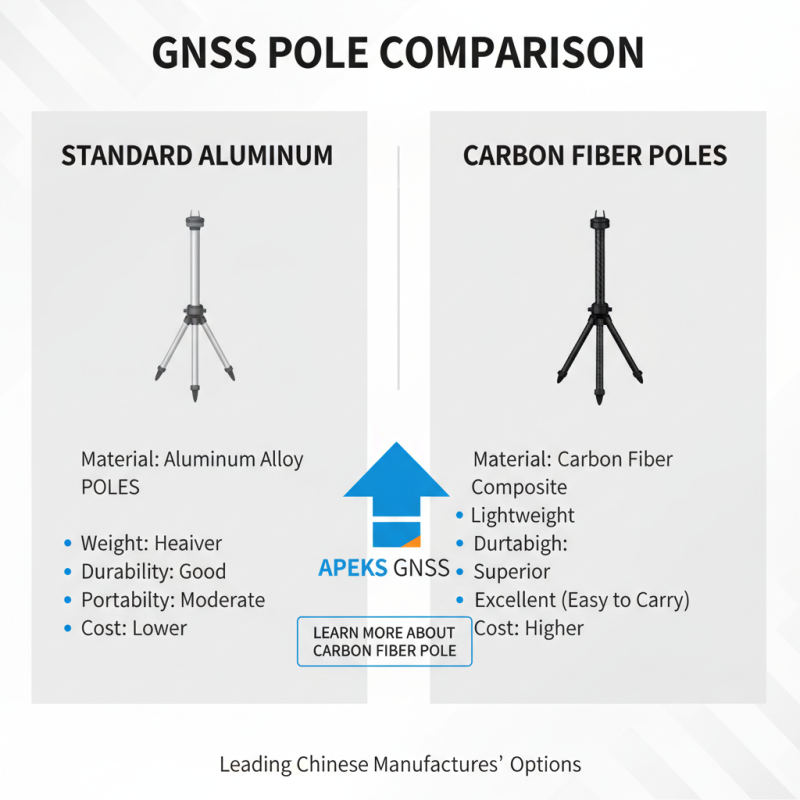
When it comes to GNSS technology, a reliable pole is essential for accurate surveying. Many manufacturers in China offer a variety of options. The choice often comes down to materials and design. The Gnss Carbon Fiber Pole stands out for its lightweight structure and durability. This makes it easier for surveyors to carry and set up, especially in challenging environments.
However, not all carbon fiber poles are created equal. Some may lack rigidity, which can affect measurement precision. It's important to check the pole specifications and user reviews. Many surveyors have shared insights about their experiences with different poles. This information can help you identify which products are truly dependable.
Another aspect to consider is the ease of assembly. Some GNSS poles can be cumbersome to set up. Users have reported frustrations with complicated locking mechanisms or flimsy joints. Ensuring the pole offers quick and secure adjustments can save valuable time in the field. Ultimately, thorough research and real feedback from users can lead to more informed decisions.
When selecting the right GNSS telescopic pole for your survey needs, consider several factors. The length and weight of the pole are crucial. A pole that can extend to the required height while remaining lightweight can greatly enhance your surveying efficiency. Look for adjustable features that allow flexibility without compromising stability.
Material quality is another important aspect. Carbon fiber poles are strong yet lightweight, making them an excellent choice for durability. However, they can come with a higher price tag. Evaluate your budget against the specific requirements of your surveys.
Ease of setup and transport should also be taken into account. A complex assembly process can lead to frustration in the field. Poles that collapse easily for transport are valuable, especially for remote locations. Finally, think about how often you will use the pole. A more affordable option may suffice for occasional use, while professionals might require a more robust solution. Balancing these factors will help you make an informed decision that suits your surveying needs.
Proper maintenance of carbon telescopic poles is crucial for their longevity. These poles are often used in challenging environments, subjecting them to wear and tear. Cleaning is one of the most important regular tasks. Dirt and debris can accumulate, impacting performance. A simple wash with water may suffice, but avoid harsh chemicals that can erode the material.
Storing your Gnss Folding Carbon Pole correctly can also extend its life. Always retract the pole to its shortest length when not in use. This reduces stress on the joints. Additionally, keep it in a dry, cooled place to prevent moisture damage. Flexible storage options help maintain structural integrity over time. Checking for any signs of damage after each use is essential. A small crack can turn into a bigger issue if ignored.
Using the pole for its intended purpose only is crucial. Overextending it or using it in unsuitable terrains can lead to breakage. Frequent inspections of the sections can help catch problems early. Regular care ensures that your investment lasts longer and performs better. Take the time to reflect on your usage and maintenance habits—little adjustments make a big difference.
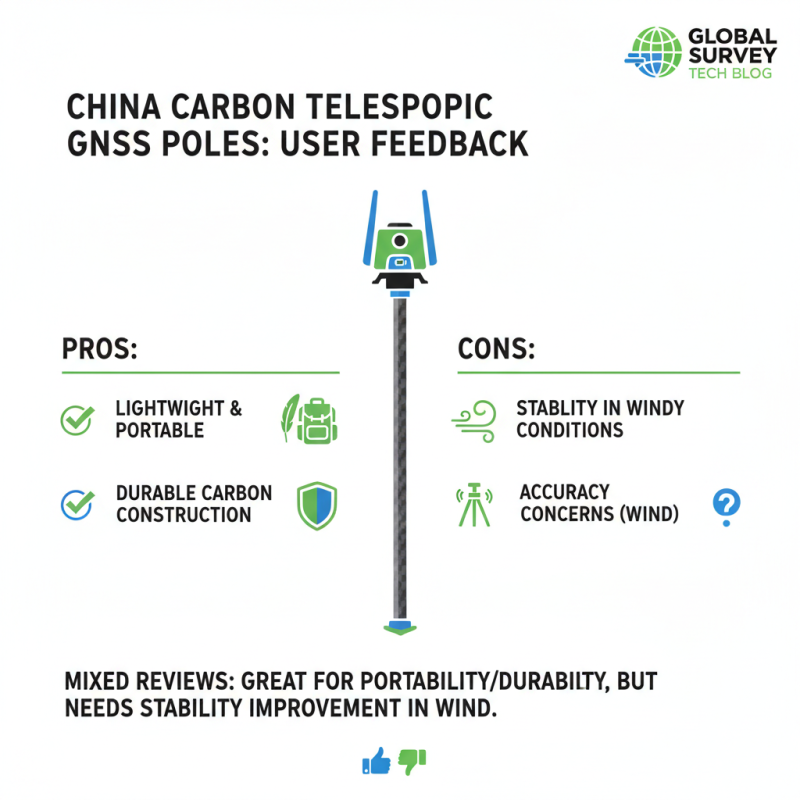
User reviews of China’s carbon telescopic GNSS poles reveal a mix of satisfaction and areas for improvement. Many users appreciate their lightweight design, making them easy to transport. The carbon construction enhances durability, which is crucial for fieldwork. However, some feedback highlights issues with stability under windy conditions. This aspect raises concerns about the accuracy of readings in specific environments.
Another point of contention among users is the telescoping function. While most find it convenient, a few struggle with the locking mechanism. Reviewers suggest that smoother operation would enhance user experience. In practice, using these poles requires a bit of finesse. Some experts recommend taking extra time to familiarize oneself with the product before critical surveys.
Overall, feedback indicates a general preference for these poles due to their affordability and portability. Yet, users emphasize the need for ongoing improvements, especially concerning stability and usability. Continuous iteration on design could significantly enhance their reliability in diverse survey scenarios.
: Carbon poles are lightweight and durable, reducing operator fatigue and enhancing maneuverability during long surveys.
With proper care, these poles can last up to 10 years, providing longevity for surveyors in various conditions.
Consider length, weight, material quality, stability, and ease of transport to find the right pole for your needs.
Yes, they can be more vulnerable to impact damage, requiring careful handling, especially in rugged terrains.
Carbon poles provide a strength-to-weight ratio that is 20% better than aluminum, enhancing efficiency in the field.
Look for adjustable heights, corrosion resistance, and lightweight materials, all vital for effective surveying.
Yes, studies suggest they can improve measurement accuracy by up to 15% in adverse weather conditions.
Ease of setup is vital; complex assembly can lead to frustration during surveys, so choose simpler designs if possible.
For occasional use, a more affordable option might suffice, but professionals may benefit from investing in a robust carbon pole.
Some poles may sacrifice strength for weight, leading to instability; it's essential to evaluate specifications carefully.
The article "China Best Carbon Telescopic Pole Gnss for Your Survey Needs?" provides a comprehensive overview of carbon telescopic poles used in GNSS surveys, highlighting their key features and advantages. It explores the benefits of using carbon material, such as lightweight construction and durability, making these poles a popular choice among surveyors.
Additionally, the article compares GNSS poles from various leading Chinese manufacturers, offering insights into how to select the right telescopic pole based on individual requirements. To ensure longevity, it includes maintenance tips that can help users prolong the life of their carbon telescopic poles. User reviews and feedback are also presented, showcasing the satisfaction and performance of China's carbon telescopic pole GNSS in real-world applications.